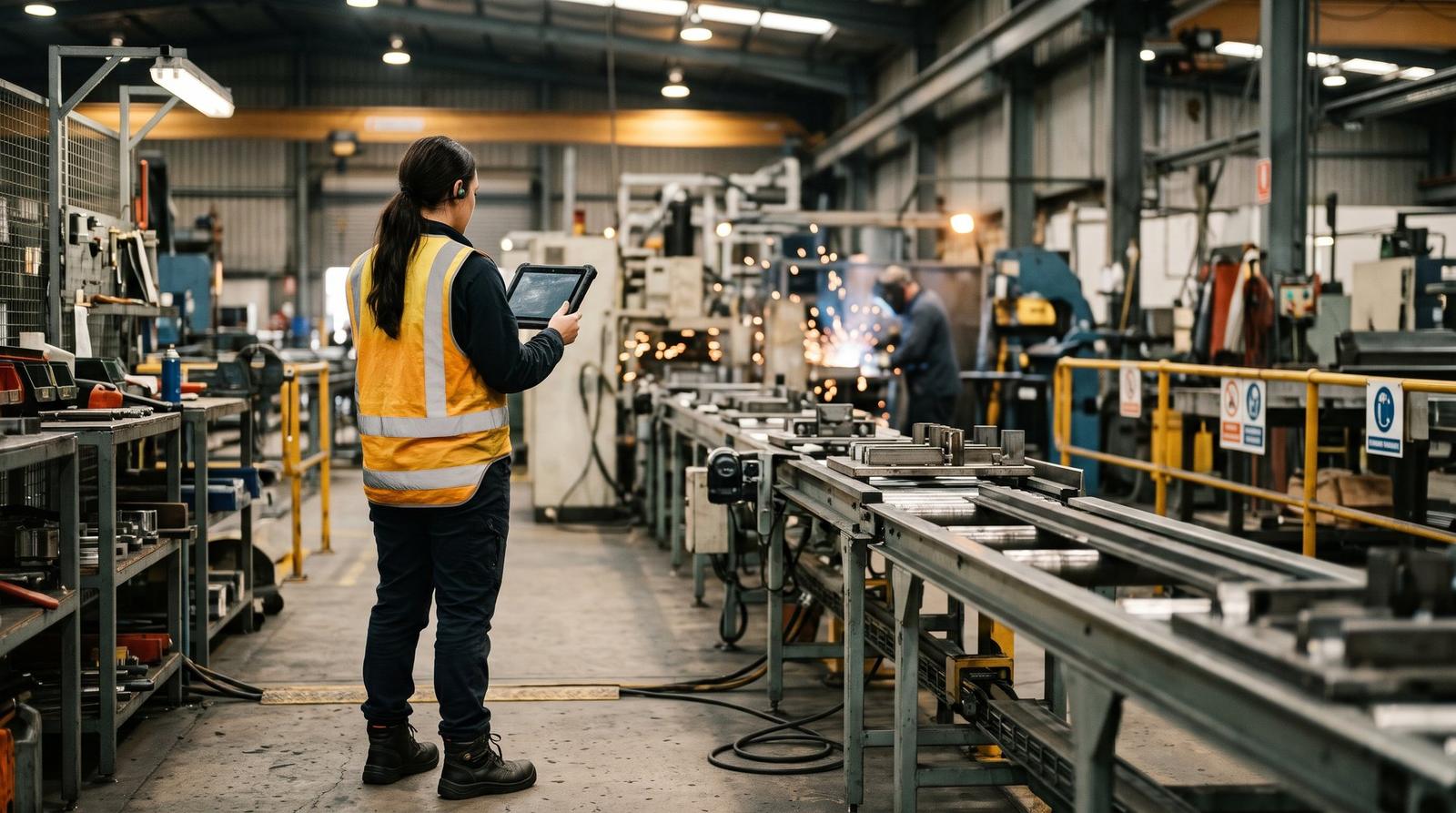
Mining, resources, energy and manufacturing
AI manufacturing solutions built on trusted OT data
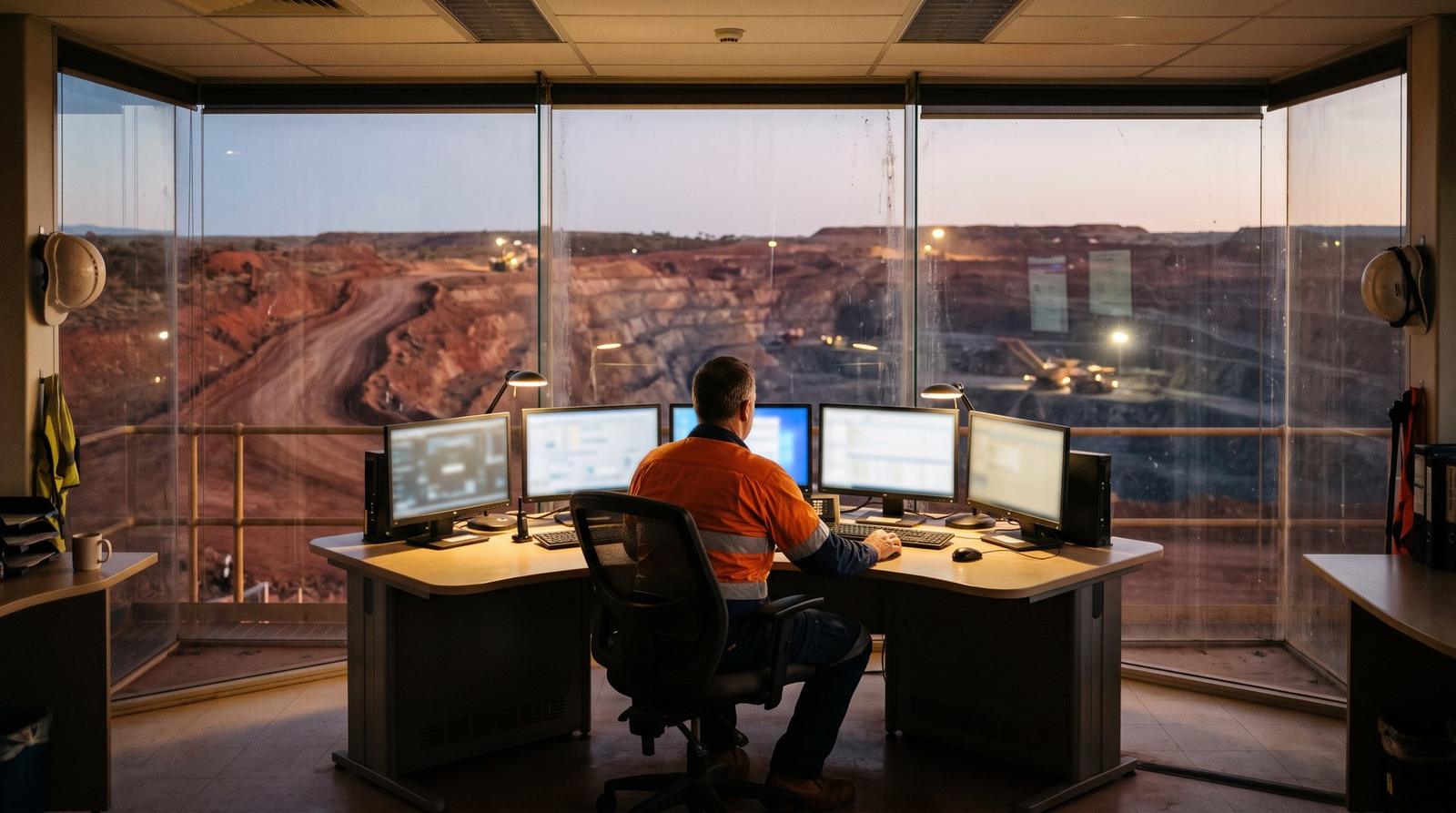
Operational data and AI consulting for mining, resources, energy and manufacturing sites, so production, downtime and emissions numbers agree from historian to board.
When sites call us
The numbers do not reconcile
SCADA, historian and the monthly report each show a different tonnage.
Losses never reach the report
Stops get recorded. Slow running and off-spec product do not.
Control systems out of support
Citect, PI Server or Ampla upgrades costed in tags, graphics and downtime.
An obligation with a date
Safeguard Mechanism baselines or SOCI programs that need evidence from monitoring data.
Manufacturing and distribution admin
Forecasts, quality records and orders retyped between ERP and spreadsheets.
What we deliver
Historian and SCADA review
Architecture, tag standards and the OT and IT boundary, ISA-95 aligned.
One version of the numbers
Asset models and Power BI reporting that match across sites.
Plant to ERP integration
Historian to SAP or Pronto, read-only where the control network needs it.
AI on plant data
Alarm rationalisation, anomaly detection on a named failure mode, shift logs written once.
Systems we work with
We connect to the platforms you already run. You keep your licences and your data.
- AVEVA PI System
- PI Asset Framework
- PI Vision
- AVEVA Production Management (Ampla)
- Plant SCADA (Citect)
- Ignition
- Seeq
- SAP
- Pronto
- Power BI

Experience from major Australian sites
Across our consultants' careers we have delivered operational data projects for BHP, Rio Tinto, Senex Energy and Schneider Electric. We also built Carbonly.ai, our own NGER and ESG automation product.
- PI, Ampla and SCADA environments
- Mining, energy and processing plants
- We know what your security review will ask
Questions
What AI manufacturing solutions work on plant data?
The ones that pay back first are anomaly detection on specific equipment, alarm rationalisation, downtime and production loss reporting, and emissions reporting. Each depends on historian and production numbers that already agree, so that reconciliation is usually the first piece of work.
Do you provide operational technology advisory in Australia?
Yes. We review historian and SCADA architecture, tag standards and the OT and IT boundary for Australian mining, energy and manufacturing sites. We resell none of the products we assess, so recommendations are free of licence margin.
Why do SCADA, the historian and the monthly report show different production numbers?
Usually because each layer calculates tonnage or downtime its own way, with different time windows, filters and manual adjustments. The fix is to define each measure once, in the historian's asset model or a reporting layer, and have every report read that single definition.
Can AI predict equipment failure on our site?
It can for a named failure mode with enough recorded history, such as conveyor bearing wear or pump cavitation. Start with one asset class where failures are logged consistently, because anomaly detection without labelled events tends to create alarms operators learn to ignore.
Is it safe to connect AI to SCADA or the control network?
It can be, if the connection is read-only and crosses the OT and IT boundary through a DMZ or historian replica. Most AI and reporting work belongs at Level 3 and above of the Purdue model, so nothing writes back to control systems unless your engineers design it to.
Can AI help with NGER and Safeguard Mechanism reporting?
Yes. Automation can pull fuel, electricity and production data from the historian and ERP, apply NGER measurement methods and keep the evidence trail a Safeguard baseline needs. We built Carbonly.ai, our own NGER and ESG automation product, so we know where emissions data usually breaks.
Related
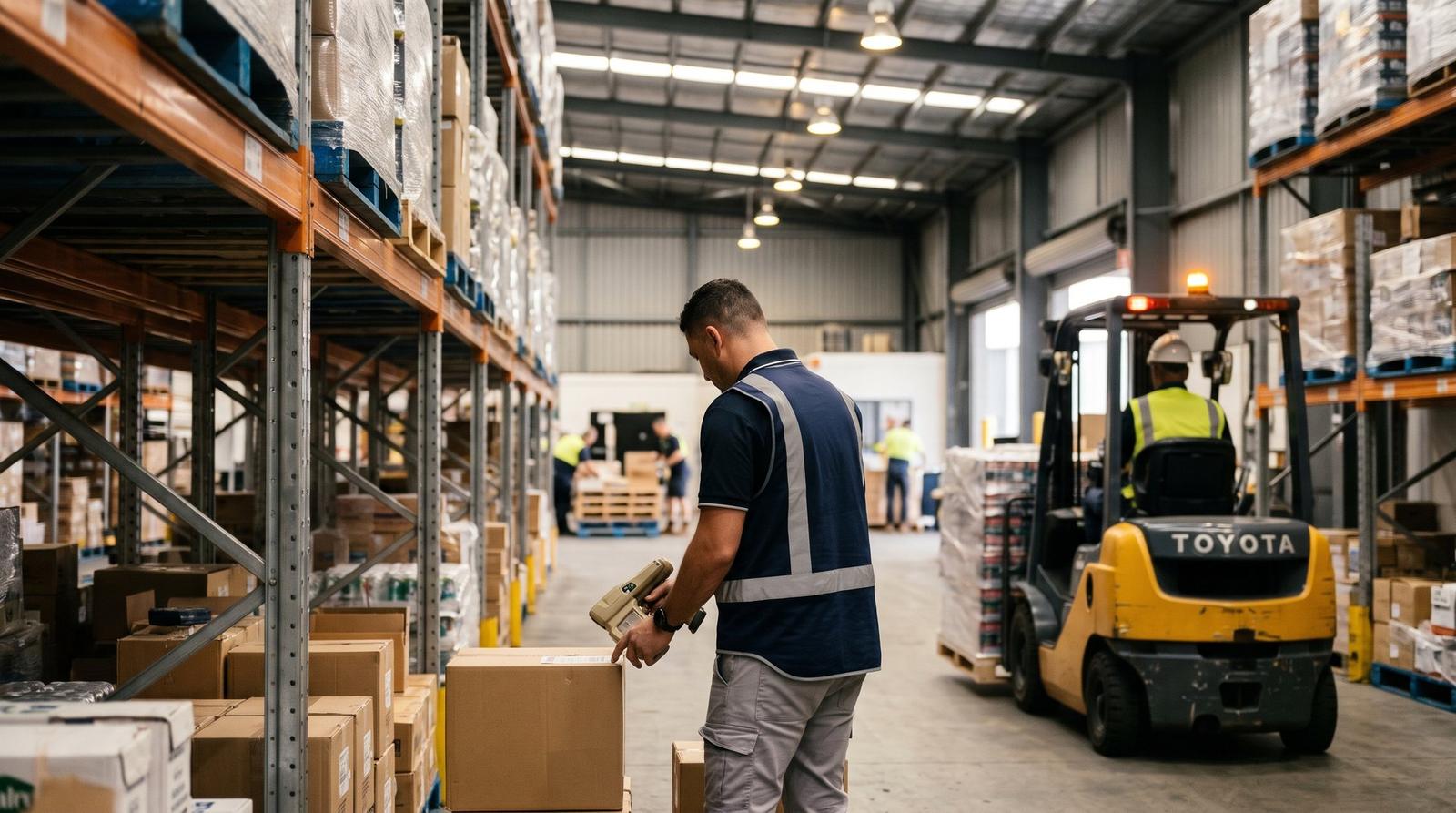 An AI plan for a major wholesale businessA major Australian wholesale business that supplies several retail brands asked where AI could improve its operations. We checked how its systems handle orders, purchasing, stock and compliance first, then wrote a staged AI plan around what we found.
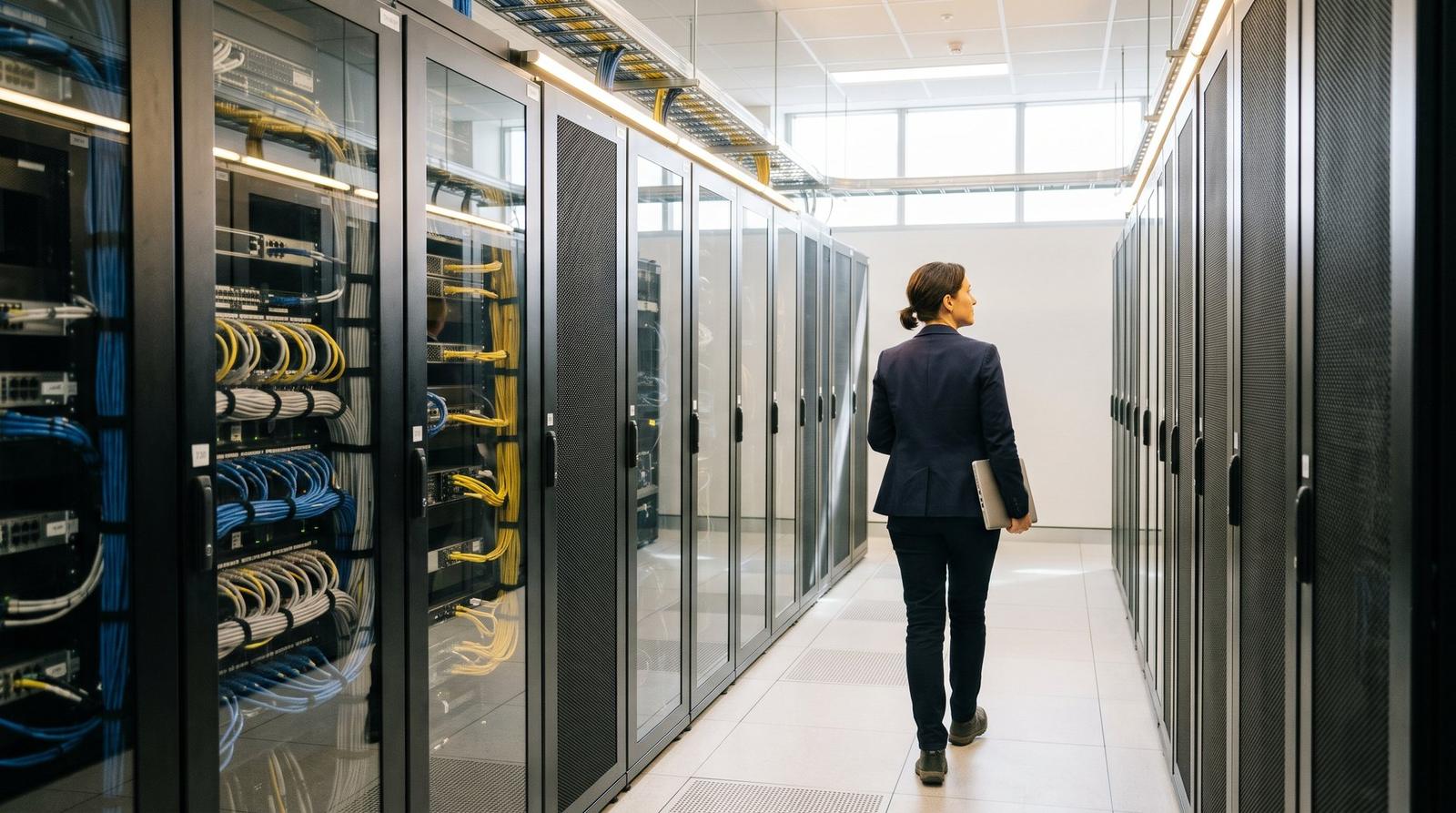 Data, BI and analyticsOne version of your numbers.
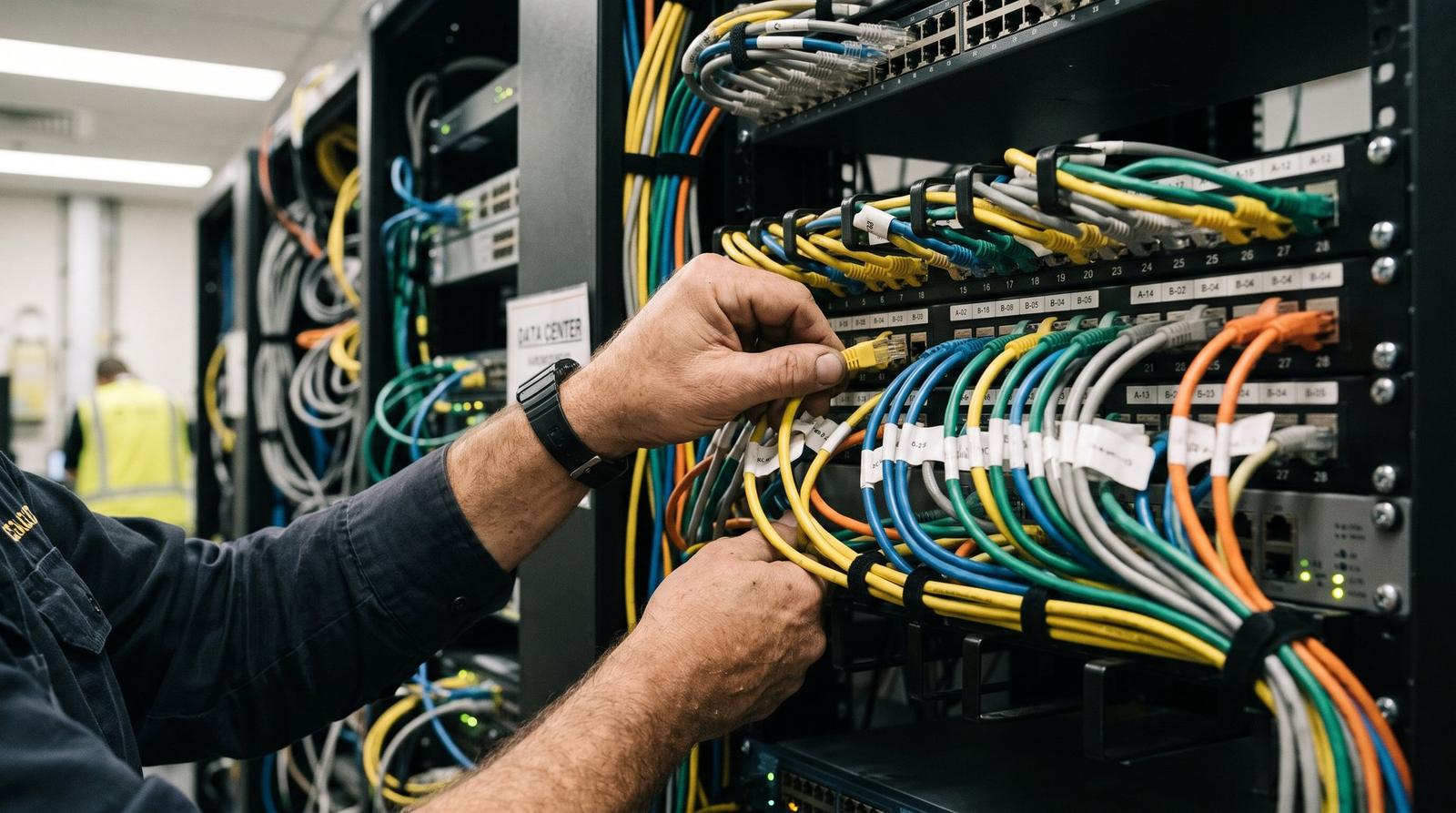 System integrationConnections between the systems you run.
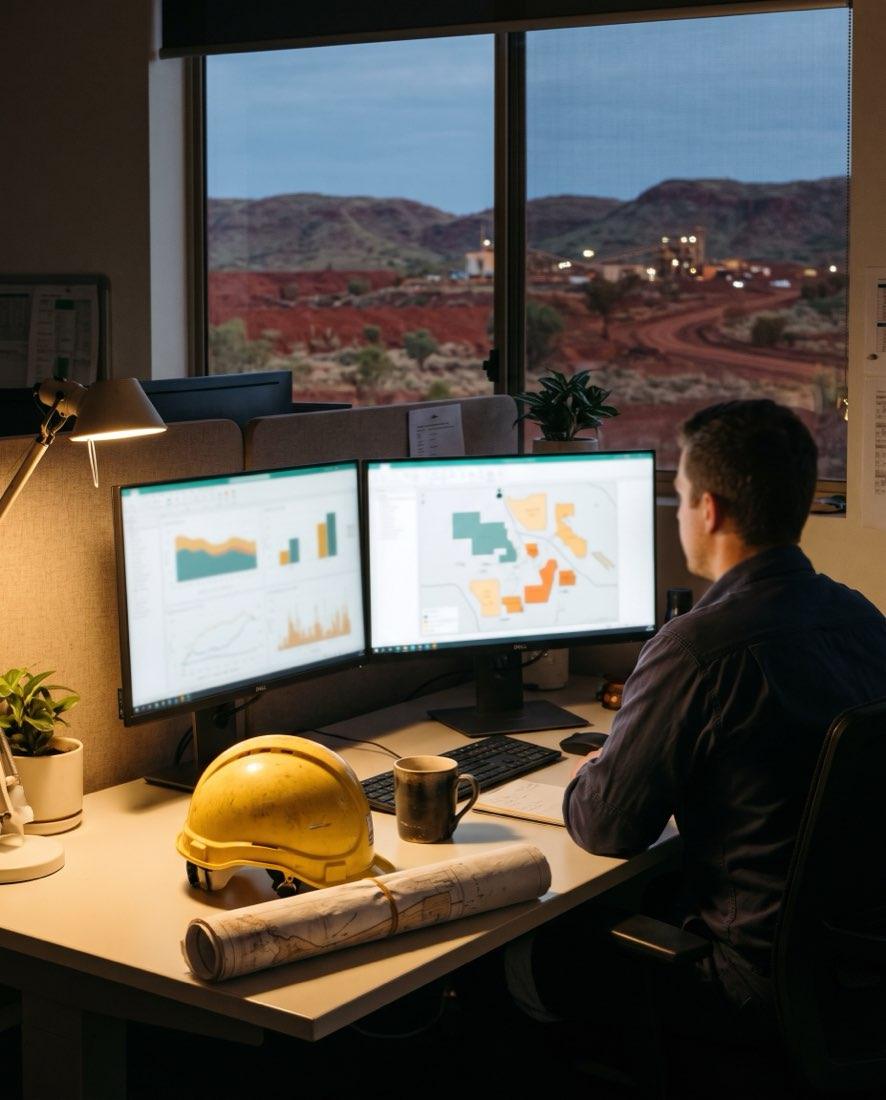 Carbonly.aiOur own ESG and emissions reporting product.
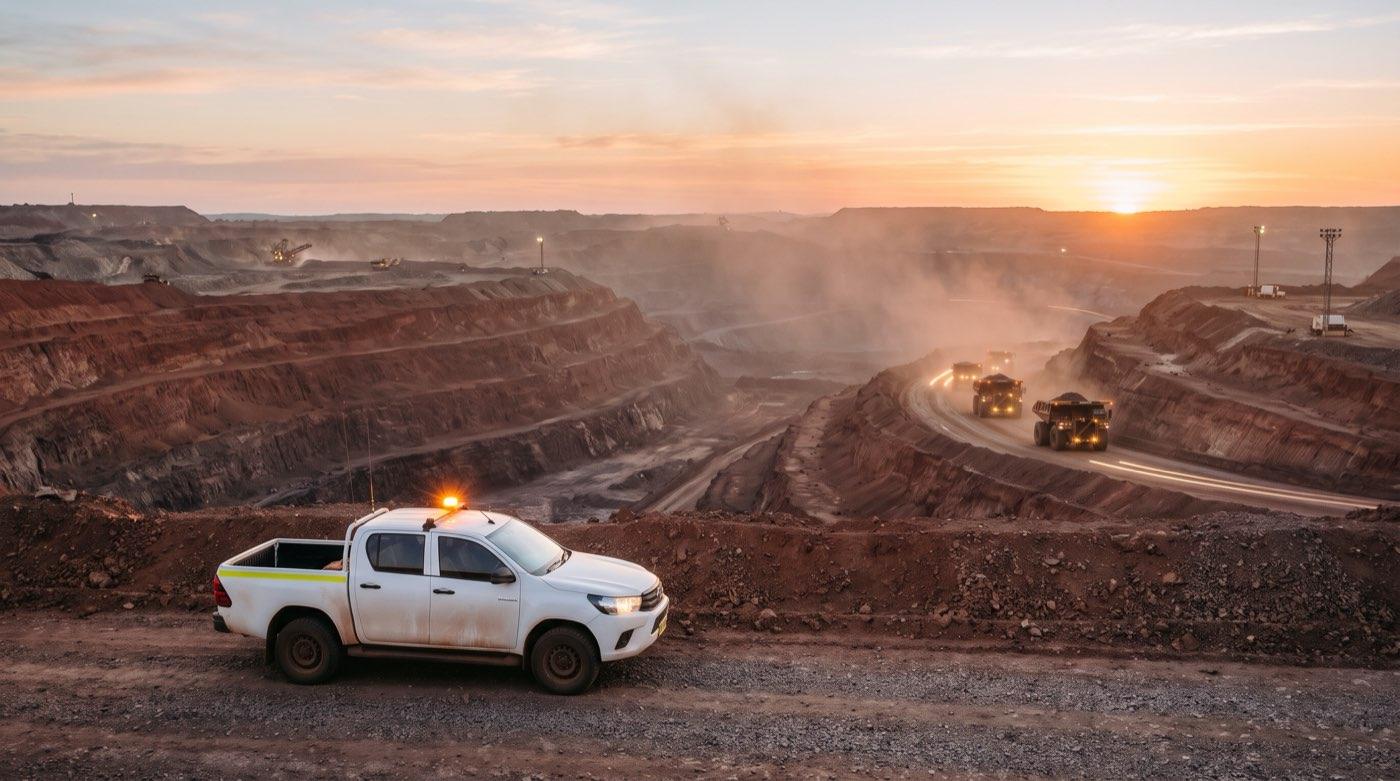 MackayAI consulting for Bowen Basin mines and Mackay METS firms: Ampla, delay accounting and production numbers that reconcile across every system.

Which number do your reports disagree on?
Tell us, and we will show you where the break usually sits.
Fixed-fee phases, agreed before we start. Stop after any phase.